INDONESIA
 |
 |
 |
 |
 |
 |
 |
 |
 |
I used to teach JAVA, the computer language, so coming to this island was a pilgrimage ;^) This is my second time in Indonesia. I went to Sumatra in 2001 and loved it. I met my first wild orangutan in Bukit Lawang, and then went to Lake Toba, the world's largest volcanic lake, perfect for swimming. Sumatra was friendly, interesting, beautiful, relaxing, and inexpensive. Ever since then, I have wanted to return.
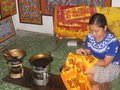
I arrived in Jakarta where I took advantage of the devalued rupiah to eat great food and buy new clothes. But I did not stay long (too much air pollution and traffic jams). Yogyakarta (known locally as Jogja), the cultural capital of the island, is more interesting. Famous for traditional batik paintings, Jogja also has shopping malls and fast-food joints. It is a pleasant mix of old and new.
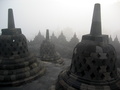
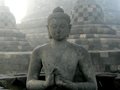
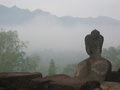
Nearby Jogja is the world's largest Buddhist stupha at Borobudur. Muslim armies forced most of the Buddhists to move elsewhere (or convert to Islam) a long time ago; therefore this stunning site seems out of place. Where are all the monks?
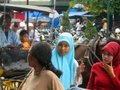
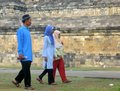
Nevertheless, the Indonesian flavor of Islam is the least strict I have seen. Contrasting with Arabian countries, as a foreigner it is normal to talk to Muslim females on the street. The women are not obliged to wear head scarves, but most wear them anyway. Despite the mosques' loud invitations, only a minority pray five times a day. There are plenty of places to drink alcohol, et cetera. A lot of the Western stereotype for Islam is cultural, not religious, from Arabian extremism not Indonesian normality. Speaking of Indonesia's Muslims, the men can have up to four wives, and many have too many children. Therefore the population is exploding! Along with too many people, crime in Java is become severe. That's a pity, because my overall impression of the place is: nice people!
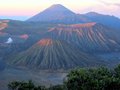
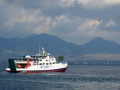
On our way to Bali, my travelling buddy Jonathan and I stopped to see the Mount Bromo volcano erupt. AMAZING sunrise view.
 |
 |
 |
 |
 |
 |
 |
 |
 |
 |
 |
 |
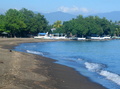
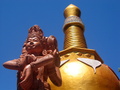
I thought Bali would be so touristy that I might not like it. I was wrong. Bali is a gem. It has black-sand beaches protected by coral reefs, white-sand beaches with excellent surfing, mountains and lakes, Hindu shrines, and a culture that is proudly unique. Bali is probably the most artisically decorated place on Earth, with beautiful detail everywhere.
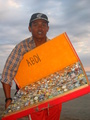
Despite the tourist hordes, uncrowded places can be found. And it's all pretty cheap (compared to the West but not compared to elsewhere in Indonesia). I stayed in an hotel at Lovina Beach for only $8 a night, including breakfast and a swimming pool. OK. It's a bit too touristy, and the hawkers can be too persistent, but Bali might be perfect for you. I just read in the Jakarta Post that Bali is "The World's Best Island." Well, maybe. But it does have something for everyone.
I went by the site of the 2002 discotheque bombing in Kuta, now a World Peace Park. The terrorists have no friends here (visibly). Locals wear t-shirts that say things like: Fuck terrorists! ... Osama don't surf! ... A life lived in fear is a life half-lived. But tourist numbers are down. Despite the media talk to the contrary, Indonesia is safe. It's not a good idea to wander Jakarta at night, but the same can be said of Baltimore. There are snatch thieves, but violent theft is rare. There have been two terrorist bombs in recent years, but does that make the place unsafe? I think Washington DC is more likely to get the next bomb. Locals tell me that Indonesia is not a terrorist country. They say the people who blew off those bombs are a tiny minority from Malaysia and the Philippine island of Mindanao. It's too bad they scare off tourists and win-win foreign investment, because the economy could use the cash.
Indonesia makes a perfect case study in economic imperialism according to neoliberal ideology and the gospel of the Free Market. The book Confessions of an Economic Hit Man details one man's role, and helps to understand why the 1997 Asian Financial Crisis hit Indonesia particularly hard. It's a story of arms dealers and greedy American bankers wreaking havoc in Indonesia's economy, leaving behind suffering and debt. Please help pressure politicians to cancel the debt and reform the International Monetary Fund and the World Bank. Thanks. These institutions were founded after the Great Depression when there was widespread recognition that the invisible hand was not perfect. Markets need government intervention in various circumstances. But since the banks effectively own the IMF (one dollar = one vote), the banks changed the regulations to increase their own profits, and the media plays along. Most shocking to me are the structural adjustments they impose upon debtor nations. Sigh.
My plan had been to island-hop all the way to New Zealand, but I changed my mind. I fly to Paris tomorrow (!).
 |
 |
 |
 |
 |
 |
 |
 |
 |
 |
 |
 |
 |
 |
Previous: Malaysia . . . Next: Europe
More Indonesia (2014)